The Lively World of Tudor Music & Entertainment
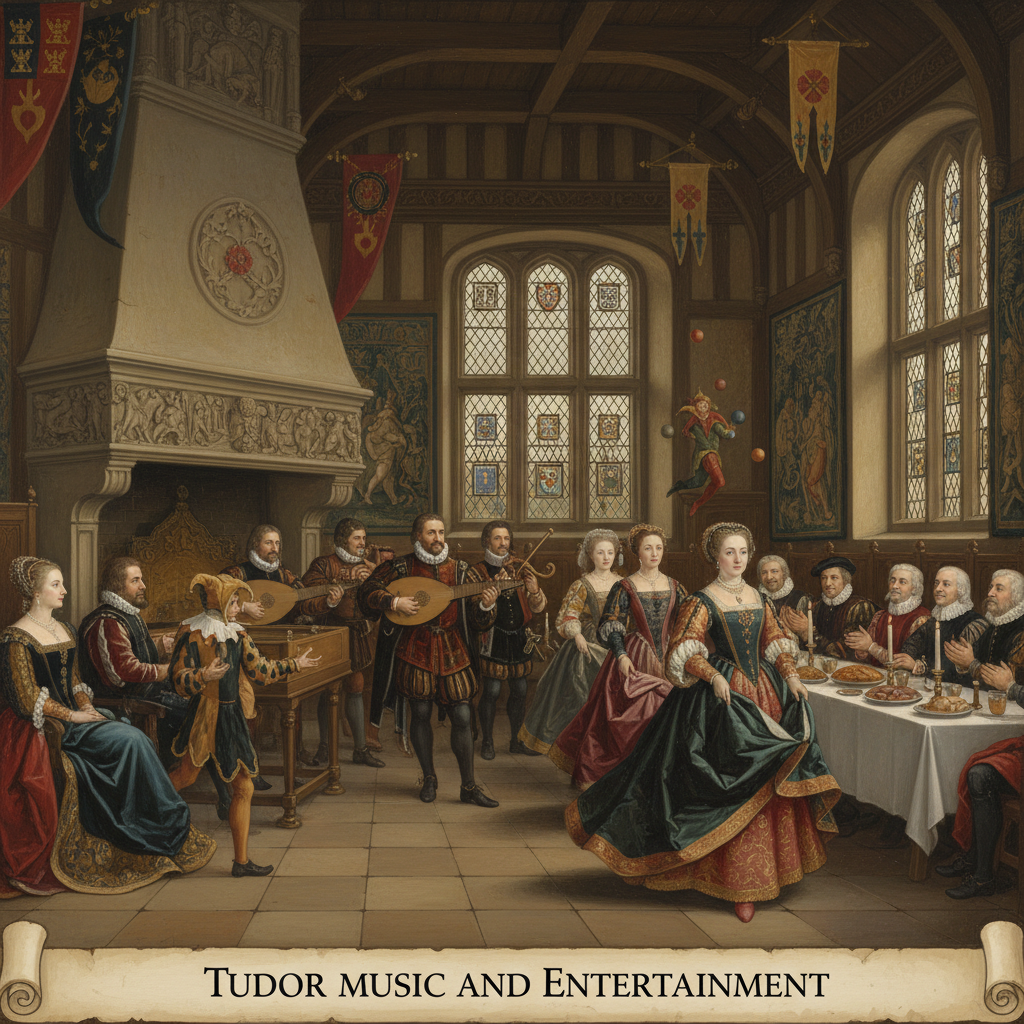
Imagine stepping into Tudor England, not just seeing the grand palaces and bustling markets, but truly hearing it. What sounds would fill the air? From the solemn chants of the cathedral to the raucous laughter of a tavern, from the delicate strains of a lute in a royal court to the boisterous tunes accompanying a village dance, music and entertainment were woven into the very fabric of Tudor life. Far from being a silent, austere era, the Tudor period was a vibrant soundscape, rich with melody, rhythm, and spectacle, reflecting the social hierarchy, religious devotion, and sheer joy of living.
The Soundtrack of Tudor Life: Music Across Society
Music in Tudor England was not merely a passive pastime; it was an active, integral component of daily existence for all social classes. For the aristocracy and royalty, music was a symbol of status, power, and education. Monarchs like Henry VIII were not just patrons but accomplished musicians and composers themselves. Henry VIII famously composed several pieces, including the well-known 'Pastime with Good Company' (also known as 'The King's Ballad'). His court was a hub of musical innovation, employing numerous musicians, singers, and instrument makers.
The instruments of the era were diverse and often beautifully crafted. Lutes, viols (precursors to the violin), recorders, flutes, harpsichords, virginals, and organs were common in aristocratic households and churches. Trumpets and sackbuts (early trombones) heralded royal processions and military events. For the common folk, simpler instruments like pipes, drums, fiddles, and bagpipes provided the rhythm for dances, feasts, and local celebrations. Ballads, folk songs, and carols were passed down orally, telling stories of love, loss, heroism, and everyday life.
Did You Know?
Henry VIII owned a vast collection of over 300 musical instruments, including 76 flutes, 53 recorders, 25 viols, and 5 virginals, showcasing his profound passion for music!
Sacred vs. Secular: Two Worlds of Sound
The religious upheavals of the Reformation profoundly impacted Tudor music. Before the break with Rome, Latin plainsong and elaborate polyphonic masses dominated church services. Composers like Thomas Tallis and William Byrd, despite living through periods of intense religious change, continued to produce breathtaking sacred music, often adapting their styles to suit both Catholic and Protestant liturgies.
“The first thing that a Tudor child was taught, after the alphabet, was the Lord’s Prayer, and the second was a psalm or a hymn.” – From contemporary educational treatises.
With the rise of Protestantism, English replaced Latin in services, and congregational singing of psalms and anthems became more prevalent. This shift made sacred music more accessible to the general populace, fostering a new tradition of devotional music that continues to influence church music today. Yet, alongside this sacred tradition, a vibrant secular music scene thrived, providing entertainment and emotional expression for all.
Courtly Grandeur: Royal Entertainment
The Tudor court was the epicenter of elaborate entertainment, designed to impress, entertain, and project the monarch's power and wealth. Banquets were not just meals; they were multi-sensory experiences featuring music, dancing, masques, and dramatic performances. Masques were particularly popular – elaborate spectacles involving music, dance, poetry, and intricate costumes, often with allegorical themes praising the monarch.
Royal progresses, where the monarch toured the country, were also occasions for grand celebrations in the towns and noble houses they visited. These events featured pageants, jousting tournaments, hunting, and feasting, all accompanied by musicians and performers. Henry VIII, Elizabeth I, and even the young Edward VI were known to enjoy dancing, often participating in courtly dances like the pavane and galliard.
The Rise of the Professional Player
While amateur music-making was common, the Tudor era also saw the rise of professional musicians and acting troupes. Companies of players, often patronized by noblemen (like the Lord Chamberlain's Men, Shakespeare's company), performed plays in inn yards, great halls, and eventually purpose-built theatres like The Globe. These performances were a major form of public entertainment, drawing crowds from all walks of life.
Public Spectacle: Entertainment for the Masses
Beyond the court, the common people of Tudor England had their own rich tapestry of entertainment. Fairs and festivals were annual highlights, offering a mix of commerce and amusement. These events featured acrobats, jugglers, bear-baiting, cock-fighting, and puppet shows. Storytellers and ballad singers would captivate audiences with tales of adventure, romance, and satire.
- Fairs and Markets: Hubs of activity, offering goods, food, and entertainment.
- Village Feasts and Holidays: Celebrations like May Day, Midsummer, and Christmas were marked with communal dancing, games, and feasting.
- Sports and Games: Archery, wrestling, football (a much rougher version than today), and various forms of bowling were popular.
- Taverns and Alehouses: Social centers where people gathered to drink, play games like dice and cards, listen to music, and exchange news.
- Public Executions: Grim as it sounds to modern ears, public executions were morbidly popular spectacles, drawing large crowds.
The theatre, as it developed, became a powerful medium for both entertainment and social commentary. Plays often incorporated music, dance, and elaborate costumes, reflecting the diverse tastes of the Tudor audience. From morality plays to historical dramas and comedies, the stage offered a mirror to society, albeit often a distorted or exaggerated one.
The Enduring Legacy of Tudor Sound and Spectacle
The Tudor period, spanning from 1485 to 1603, laid significant foundations for English music and theatre. The compositions of Tallis and Byrd remain cornerstones of classical music. The development of professional theatre companies paved the way for the Elizabethan and Jacobean golden age of drama, giving us Shakespeare. The instruments and musical forms popular during this era continued to evolve, influencing later periods.
Understanding Tudor music and entertainment offers a unique window into the minds and hearts of people from five centuries ago. It reveals their values, their joys, their fears, and their connection to both the sacred and the profane. The echoes of Tudor melodies and the spirit of their grand spectacles still resonate, inviting us to appreciate a time when life, though often harsh, was undeniably vibrant and full of song.
TAGS
Discussion
No comments yet
Be the first to share your thoughts on this article!
You May Also Like
Continue exploring Tudor history with these related articles

Sir Walter Raleigh: Explorer, Poet, and Queen Elizabeth's Favourite
Explore the dramatic life of Sir Walter Raleigh, Queen Elizabeth I's controversial favourite. From his rise as a dashing courtier and explorer of Virginia to his tragic execution under James I, Raleigh embodied the ambition and peril of the Tudor and Stuart eras.

Tudor Tables: A Feast for the Senses and Society
Explore the fascinating world of Tudor food and feasting, from peasant pottage to royal banquets. Discover how diet reflected social status, the role of spices, and the elaborate spectacles of 16th-century dining.

The Soundtrack of the Sixteenth Century: Tudor Music and Entertainment
Explore the vibrant world of Tudor music and entertainment, from the sophisticated polyphony of the royal court under Henry VIII and Elizabeth I to the raucous ballads and public spectacles enjoyed by commoners.
Tudor Feasts: A Culinary Journey Through History
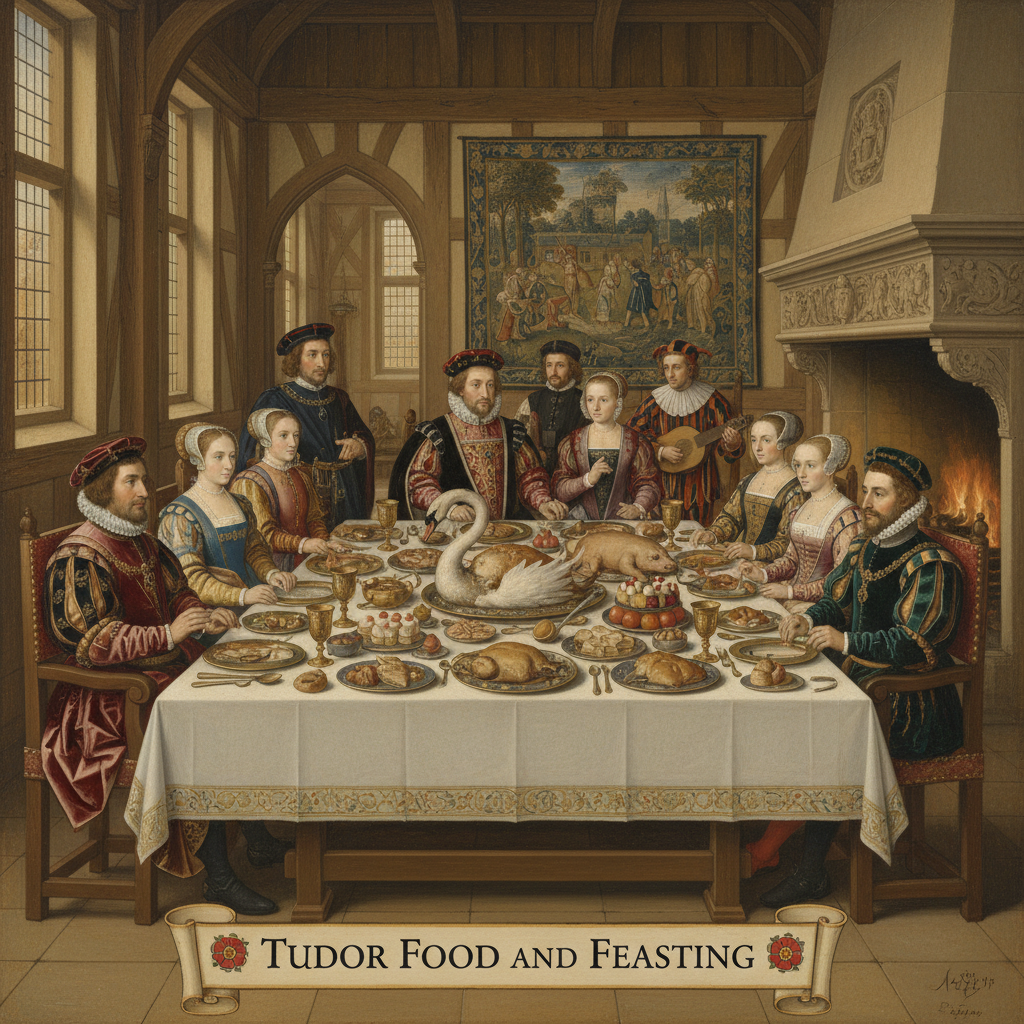
Explore the lavish world of Tudor food and feasting, from Henry VIII's extravagant banquets to the humble pottage of commoners. Discover the social hierarchy on a plate, ancient preservation methods, and the enduring legacy of Tudor culinary traditions.